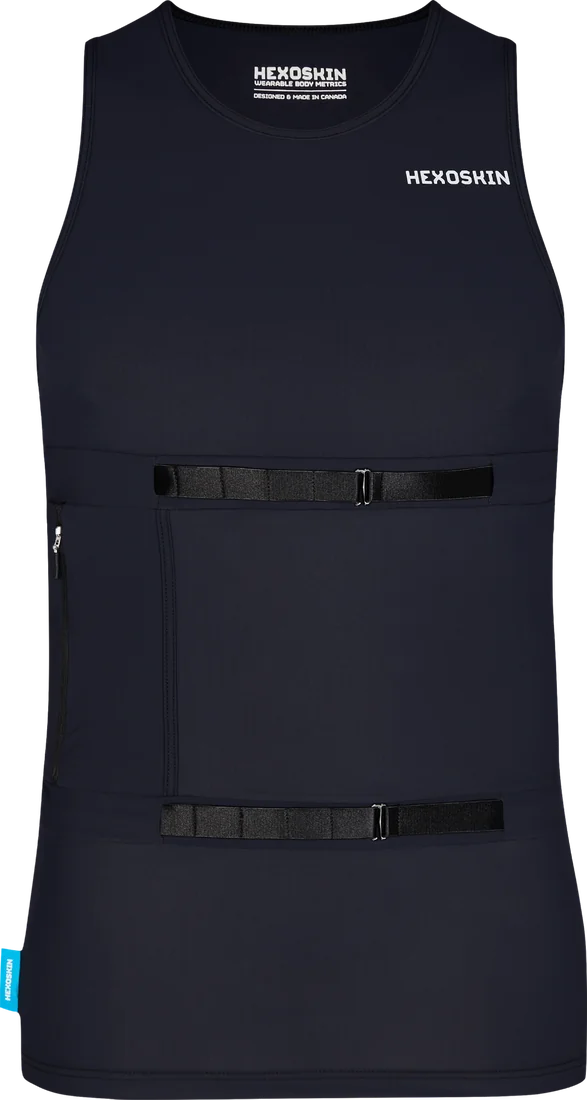
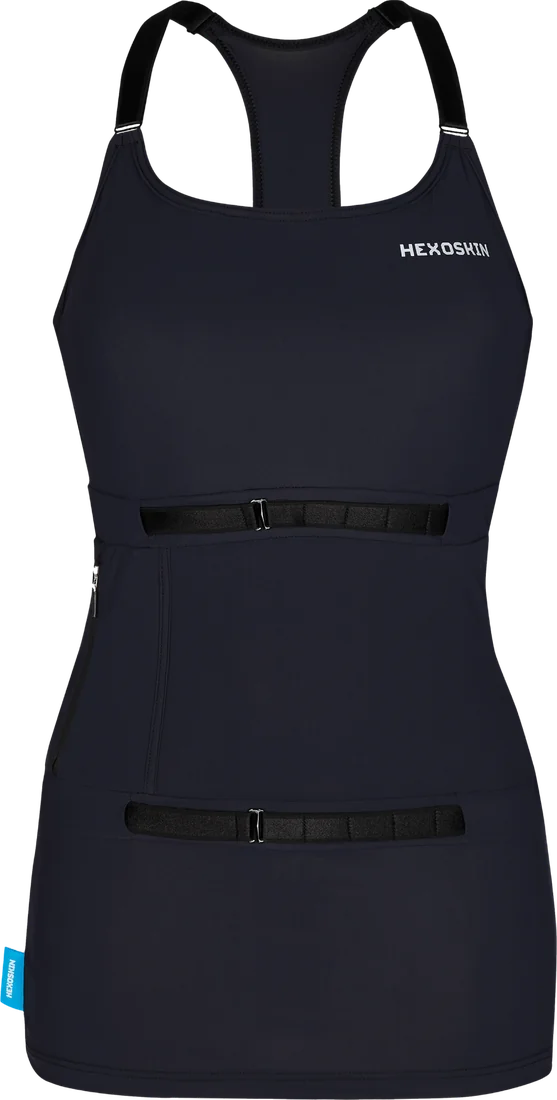
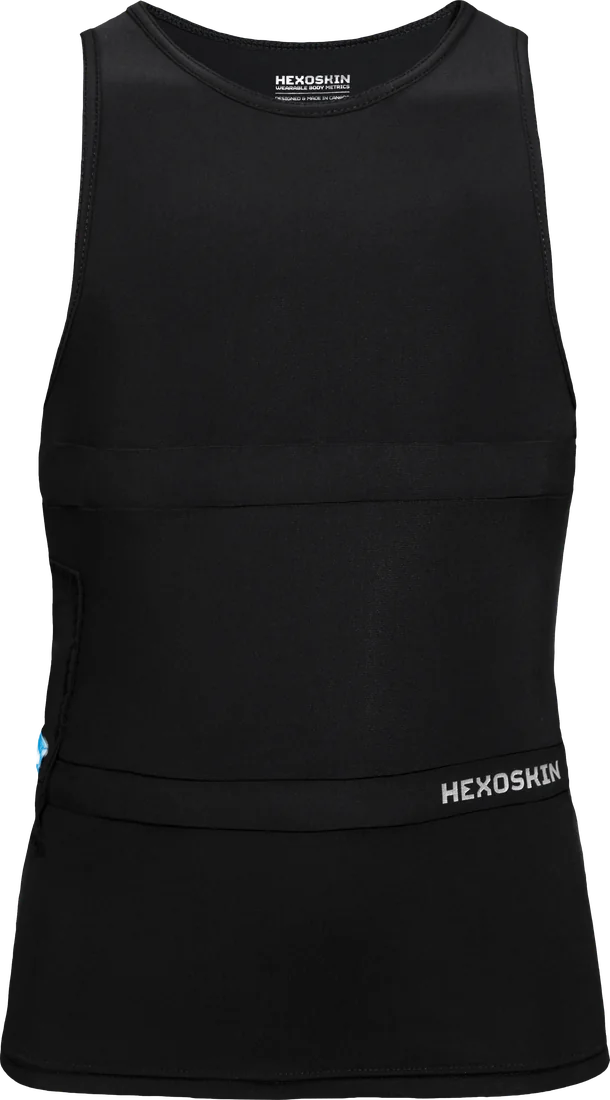
Comfortable Fit
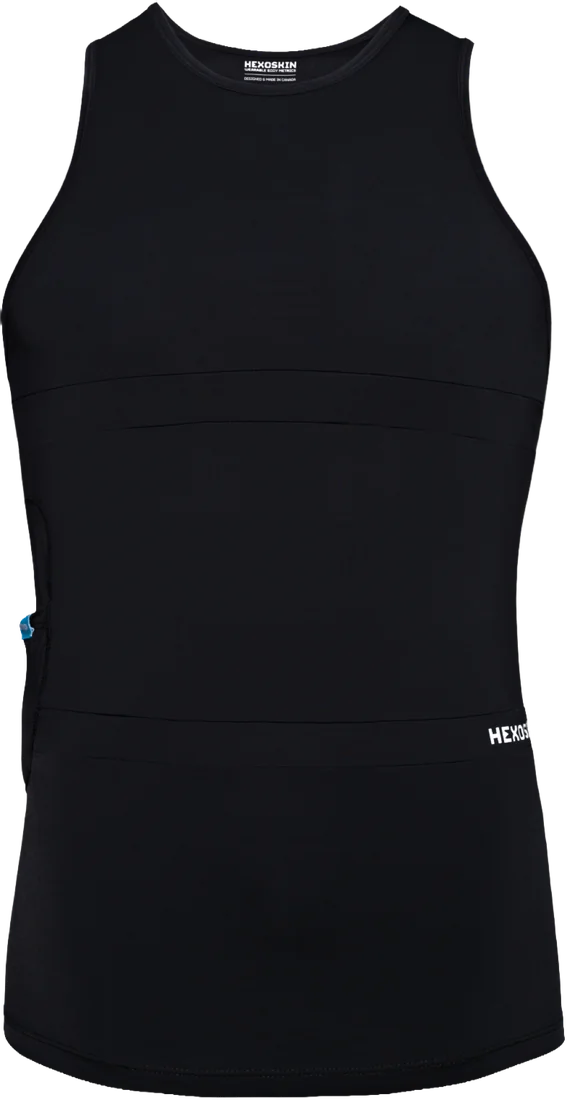
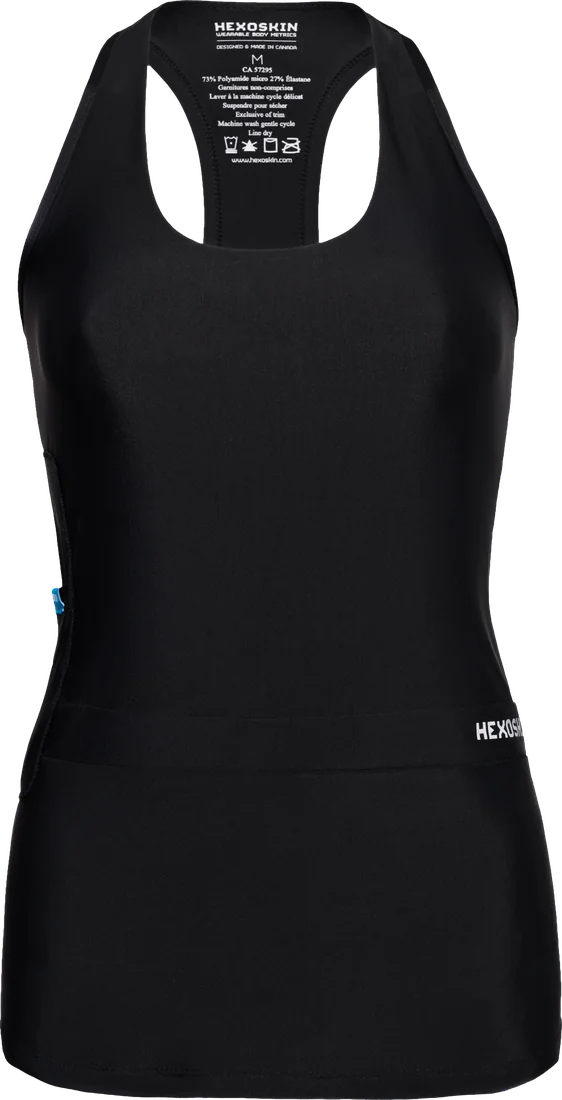
Breathable, quick-drying fabric moves with the wearer. A close fit keeps textile sensors against the body for consistent recordings during daily activities, laboratory sessions, and repeated wear.

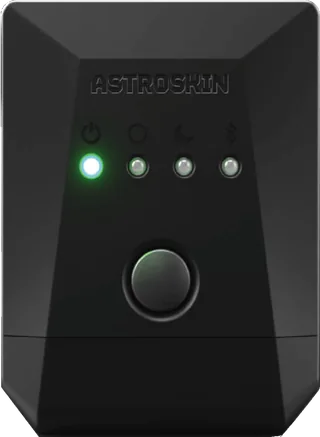
Bring ECG, breathing, oxygen saturation, skin temperature, and movement into one wearable research system. Astroskin combines a washable sensor garment, an optical headband, and a portable recorder to collect synchronized physiological data in the lab and in the field.
Astroskin brings textile ECG and breathing sensors into a lightweight, breathable garment, with an optical headband that leaves the hands free. Men’s and women’s sizes and adjustable belts help your team establish a comfortable, consistent fit.
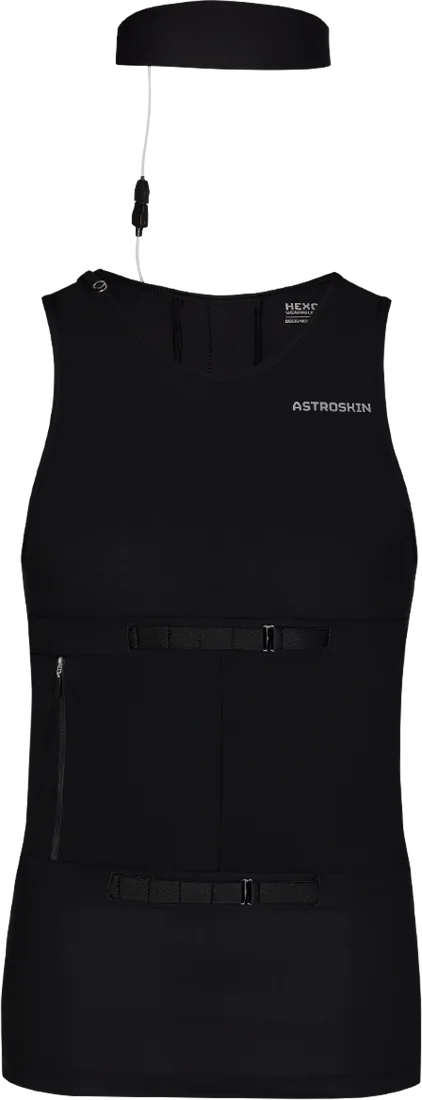
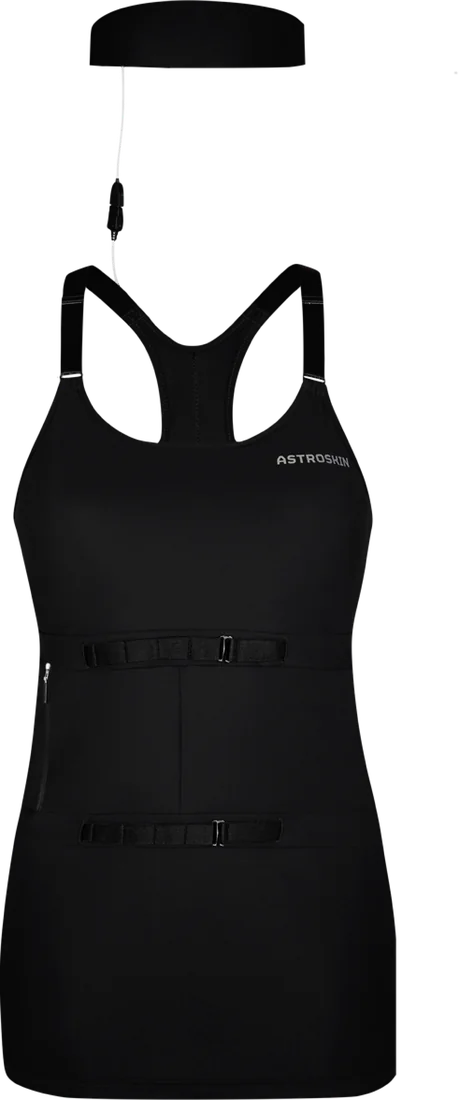
Breathable, quick-drying fabric moves with the wearer. A close fit keeps textile sensors against the body for consistent recordings during daily activities, laboratory sessions, and repeated wear.
Machine-washable garments are designed for repeated wear. Remove the recorder before washing, and follow care instructions to protect the fabric, connectors, and sensors.
Astroskin supports up to 48 hours of continuous recording on two AA batteries, with local storage for more than 400 hours of raw data.
Select a marker to explore each sensor and the research data it provides.
250 Hz · 1 µV Resolution
Three ECG leads capture cardiac waveforms at 250 samples per second. Heart rate, QRS events, and RR intervals support cardiac and HRV research. Lead-specific quality information helps identify disconnections, movement artifacts, and unreliable beat intervals.
Dual Channel Respiratory Inductance Plethysmography (RIP), 125 Hz - Thoracic
The thoracic RIP sensor records chest movement as participants breathe. Paired with the abdominal sensor, it supports breathing rate, inspiration and expiration timing, and ventilation estimates alongside ECG, oxygen saturation, and activity.
Dual Channel Respiratory Inductance Plethysmography (RIP), 125 Hz - Abdominal
The abdominal channel adds a second view of respiratory movement. Together, the RIP channels support research into breathing patterns and derived tidal volume and minute ventilation. Volume interpretation depends on the calibration and processing used in your protocol.
50 Hz · 3-Axis Acceleration
The accelerometer records movement on three axes, with a ±16 g range. Actigraphy, steps, and cadence provide context for physiological responses during daily activities and field protocols.
75 Hz PPG · 1 Hz SpO₂
The headband’s optical sensor records a photoplethysmography (PPG) waveform and reports peripheral oxygen saturation (SpO₂). Keeping the sensor on the forehead leaves the fingers free. Review oxygenation alongside breathing and cardiac signals for research involving exertion, sleep, or altitude.
1 Hz · 0.1 °C Resolution
The skin-temperature sensor adds a local temperature measurement to the physiological record. Study trends alongside movement and cardiorespiratory responses. Skin temperature is a surface measurement, not a direct measurement of core body temperature.
Derived From ECG and PPG
Astroskin provides a systolic blood pressure estimate based on pulse transit time using ECG and PPG signals. It is a derived output, not a separate pressure sensor.
Astroskin records three ECG leads at 250 Hz, breathing at 125 Hz, PPG at 75 Hz, and acceleration at 50 Hz. Time-aligned signals let you examine how cardiac, respiratory, oxygenation, and movement responses change together.
Identify sensor disconnections, electrical noise, movement artifacts, and unreliable RR intervals. Use quality channels to select recording periods and assess the signals behind your physiological data analysis and research findings.
Explore Data ChannelsConnect cardiac timing, breathing patterns, and movement to your research question. Interpret derived metrics with their processing methods, recording quality, and applicable calibration in mind.
Explore MetricsExplore published methods and results before choosing study endpoints. Assess accuracy against reference methods for your metric, population, and conditions; sampling rate alone cannot establish accuracy.
Explore Astroskin PublicationsBring study teams, participants, recordings, annotations, and surveys into one research workspace. Review signal quality and study progress, then export raw data and reports for analysis.
Explore OneViewView live Astroskin measurements during setup and recording with Hexoskin OneApp for Astroskin. Transfer stored recordings through OneSync for later review and analysis by your research team.
Explore Hexoskin OneAppTake Astroskin data into your own analysis, applications, and research environment. Choose the tools and licensing that fit your project, from data synchronization and local decoding to API access and custom app development.
Synchronize Hexoskin and Astroskin recordings for review and analysis. If your workflow requires locally processed files, discuss local decoding options and project requirements with our team.
Access physiological recordings and derived data through OneAPI. Discuss your analysis workflow, integration requirements, and licensing options with our team to get a quote for your project.
Build Android integrations and live-data applications with OneSDK. Discuss device compatibility, development requirements, and license scope with our team to get a quote for your integration.

Connect teaching and research with physiological data. Explore projects for students, professors, laboratories, institutes, and university-affiliated medical centers, from practical coursework to doctoral research.
Explore Academic Research
Study people in the settings where they work and perform. Bring physiological measurements into private-company R&D, human factors, occupational research, defense, first-responder training, and aerospace projects.
Explore Applied ResearchExplore published studies using Hexoskin and Astroskin in clinical research. Follow the study questions and methods to find literature relevant to your research program.
See how Hexoskin and Astroskin fit different research questions, compare the platforms, and explore the scientific literature across disciplines.
Make your research budget go further with Hexoskin+. Get expert guidance on Hexoskin and Astroskin wearable monitoring, discounts on qualifying quantities, and equipment, software, training, and support tailored to your project.
Discuss your project for integration advice, grant support letters, and help with bid requirements. to explore pricing and program benefits for your team.